Mike Diehl Volleyball Blocking Position Four Part I
Mike talks about how to read queues from the setter and hitter when blocking. This includes: watch the setter’s body position, the hitter’s shoulder and more.


In this category we share video, drills and articles as it relates to reading the game in volleyball coaching.
Mike talks about how to read queues from the setter and hitter when blocking. This includes: watch the setter’s body position, the hitter’s shoulder and more.
Mike presents a video instructional series on spiking from the right side or opposite position. In this advanced series of 6 instructional videos tips and technique include proper approach footwork to selecting shots to beat the blockers. This is another must see by Mike Diehl!
Mike presents a video instructional series on spiking from the left side or outside hitter position. In this advanced series are tips of a proper approach to selecting shots to beat the blockers. This 6 video series is a must for all outside hitters and coaches!
1. On the approach hitters need to keep their weight behind the ball. This maximizes momentum for more power and better selection of hits.
Stein presents part 8 of 27 for setters. Talked about is how to find the weakest blockers and how the hitters like the set.
In this video, Andor Gyulai Volleyball1on1.com founder and owner introduces Tom Black and what to expect from the practice! Tom Black is one of the top young up and coming volleyball coaches in the country. He currently works with the USA National Women’s team daily with head coach Karch Kiraly and Reed Sunahara.

Tom Black – LMU women’s head coach and USA women’s assistant coach breaks down and explains the “Read the Game” volleyball practice plan he runs the Lions through. “Read the Game” was developed by many of the USA national team coaches before the 2012 Olympics, including Karch Kiraly, Ron Larson, Hugh McCutcheon, and Paula Weishoff.
In this video Tom offers the quote of the day as well as explains the goals and drills for the practice. I like this video as it gives coaches a great look at how they should consider setting up their practices as well as using quotes and other inspirations stories to motivate and inspire the players.
Continuous Blocking Drill and the Split Step Stretch-Shortening Cycle is a great video series that will expose you to new concepts in volleyball blocking and defense. The Split Step Stretch-Shortening Cycle has been used for years now by elite tennis players to move more effectively across the court and cover more ground.

The transition toss volleyball drill works on transition hitting as well as “Read the Game” blocking and defense. The drill fits nicely into a progression from the setter tutor drills already run as well as working on the split step stretch-shortening cycle concepts.
This drill emphasis includes “reading the game” for blockers and defenders, as well as working on the fundamentals of transition and getting off the net after you block so that you get a good attack.
Click here for the full “Read the Game” practice and all of Tom Black’s 170+ Volleyball Videos and Drills

AVCA Video Tip of the Week – Diggers verses Spikers. This is a great drill to help defenders play better defense by being better at reading hitters. The drill will help defenders look at attackers arm swing, shoulders and more so that they read better on defense.
Tom compliments the team on a good practice and one player is chosen by their teammate for being the best at helping the team improve.
Tom and Andor have an in depth talk over how this new technique “Split Step Stretch-Shortening Cycle” borrowed from tennis converts to volleyball. Note we have included the videos of the drill in action too.
Tom has phenomenal insight into how competition puts skills into action. In this video tom reviews the last drill from practice namely the Compete with Transition Emphasis Drill. Click here for the full “Read the Game” practice and all of Tom Black’s 170+ Volleyball Videos and Drills Note: We have added the videos from the…
Tom explains how the “Reading the Game for Volleyball” concept has evolved and become the dominating force in volleyball coaching. Also he talks about his experience with Karch Kiraly, Hugh McCutcheon, and other USA volleyball staff on developing the concept.

I am excited to announce Dan Fisher as our newest volleyball coach for this year. Dan was the 2011 NAIA coach of the of the year and national finals runner up. 2012 he topped that by leading the Concordia University women’s team to the NAIA national championship. With all of that success Dan has been named the new Pittsburgh.
This series of videos contain Andor Gyulai, Volleyball1on1.com owner introducing the Concordia volleyball practice. Next is the name game drill. A great drill Dan runs with his team to help bond the players and make guests feel welcome. Finally Dan opening up practice and telling the players what drills they will be doing and why.
In this video Dan Fisher, who went 38-0 describes to his team the reading the game volleyball practice outline. Like all good coaches we have filmed he lays the practice out for the team to review at the start of practice laying out team and individual goals. This video reveals allot about how great coaches help their players take ownership of improving as well as motivate their athletes!
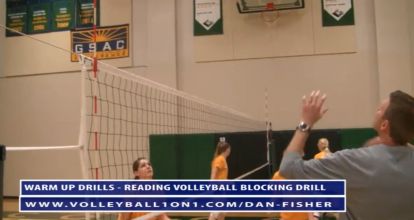
This reading volleyball blocking drill helps blockers to better read the hitters arm as well as the setters to be better blockers. This is another warm up volleyball drill Dan incorporates on the net in game like situations in order to rapidly improve players skills. This is a great “reading the game” drill by improving the blockers vision and defensive covering.
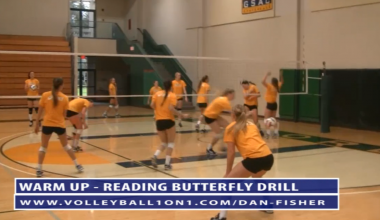
another great volleyball warm up, the reading butterfly drill, forces the players to focus on reading the game. How this drill works is players call out what they are seeing. So for example you will hear the players calling: Ball, Setter, Ball, Hitter.
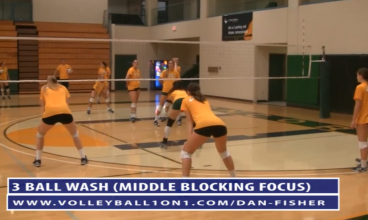
This series of videos contain the 3 ball wash volleyball drill for middle blockers. This great drill helps middle blockers with eye sequences and footwork. This helps middles with obvious game situation moves that often get neglected because they are not practiced successfully! Additionally it helps middles and blockers more successfully read the game, plus focus on watching the hitters arm swing.
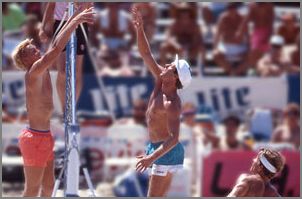
I am excited to add Sinjin Smith As our newest instructor on Volleyball1on1.com (4/12/13). Sinjin Smith won 2 National Championships at UCLA and was MVP his senior year. Coming out of college he and Karch dominated the beach volleyball scene as you can see below until Karch left for indoor and the Olympics
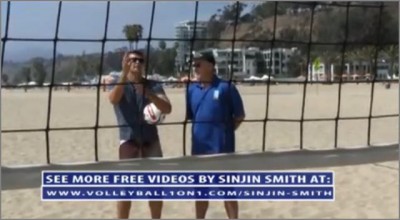
This is a very interesting video where Sinjin Smith discusses “Reading the game” in beach volleyball. Karch and Sinjin played and won together on the beach at an early age. In this video you will hear some of the secrets both used to win both indoor and beach.
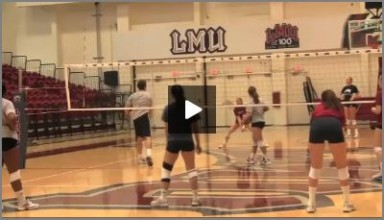
Hitters vs. diggers volleyball drill is a great drill for reading the game and helping your defenders become better at reading attackers arm swings. We have also included and explanation of the drill from the conversation from the office.
In this video Tom Black reviews the hitters vs. diggers drills and also goes into details regarding “Reading the Game Concept” as well as shares verbal cues for coaching defense and reading the hitter. This is a great drill and you really get an opportunity to see the work Tom has done in this area with other volleyball coaching pioneers like Karch and Hugh. Enjoy!
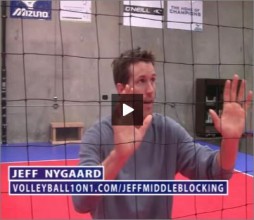
Jeff presents a series of videos on middle blocking. This set starts with the correct eye sequence, goes through the best form and technique and finishes with advanced reads of the opponents offense.
Taking risks means knowing the opponent and recognizing when to not do a normal block, but to take away the hitters favorite shot. Jeff presents an example how how to be smarter as a blocker.
Dana presents a video on how to read the hitter better in volleyball while playing defense and how to dig every ball.
Gary knows first hand height does not affect the defensive part of the game. This video series discusses the fundamentals to playing defense in various positions. It culminates with what a defenders mindset needs to be.
1. The stance begins in an athletic position with arms out in a neutral place and relaxed.
Blocking in volleyball has evolved as the speed of the game continues to increase. Gold medal coach Gary Sato presents the basics of how to block effectively.
1. Thirds is the basic building blocks of blocking. Each front row player is assigned a specific section of the net.
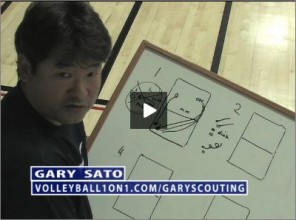
Over the years Gary has developed a structured system of scouting the opponent’s tendencies exposing their strengths and weaknesses. Gary presents in this series tactics used to win Olympic gold and bronze medals.
1. The chart is set up by entering the numbers of the opponents players. Then each players tendencies can be marked.
Gary gives specific examples of how fast the game has become. Because of it blockers have to improve one on one and defenders must be more active. To view all of Gary Sato’s videos – Click Here!
The game has continually changed as the speed of the game increases. Gary compares how the game was played when he first started and why players and coaches always need to be studying the game.
 Call Now